 Argentina
Who was Che Guevara?
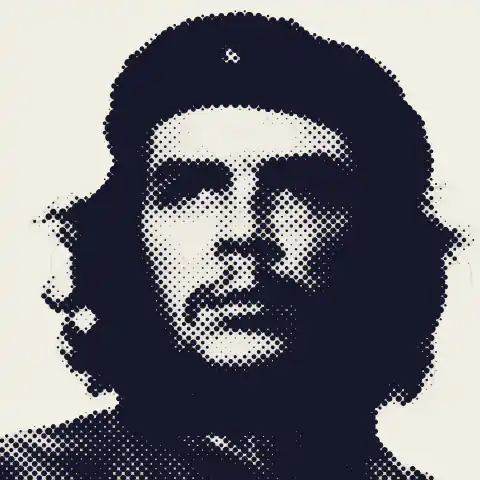
Ernesto Guevara de la Serna was born in Rosario, Argentina, in 1928 and qualified as a doctor in Buenos Aires in 1953. Travels across Latin America and the 1954 CIA-backed coup in Guatemala convinced him of the need for armed struggle against US influence. In Mexico he joined Fidel Castro's movement, sailed on the Granma in 1956 and became a leading commander, winning the battle of Santa Clara. In 1959 he commanded La Cabaña prison, then headed the national bank and the industry ministry. He left Cuba in 1965 to fight in the Congo and then Bolivia, where he was captured and executed on 9 October 1967.
Political views
Argued that socialism required creating a new kind of person motivated by moral rather than material incentives.
Source: marxists.orgHeld that socialism must break with the law of value and market relations, which he saw as sources of alienation.
Source: marxists.orgDescribed the party as a vanguard of the most dedicated workers that leads the masses by example.
Source: marxists.orgTold the United Nations in 1964 that peaceful coexistence could not extend to colonial domination, and condemned apartheid and US policy in Latin America.
Source: marxists.orgAdvocated armed guerrilla struggle and world revolution, and blamed underdevelopment on imperialism and monopoly capitalism.
Source: en.wikipedia.orgAccused the socialist countries in 1965 of tacit complicity with Western exploitation of poor nations.
Source: en.wikipedia.org
Legacy
Guevara became one of the most recognizable figures of the twentieth century, and Time named him among its 100 most influential people. Supporters see him as a symbol of anti-imperialism, idealism and self-sacrifice, and many on the left regard him as a martyr. Critics accuse him of authoritarianism and of endorsing violence against opponents. As commander of La Cabaña in 1959, he reviewed appeals from revolutionary tribunals in which several hundred people were executed, with estimates of deaths under his jurisdiction ranging from 55 to 105. He also set up the Guanahacabibes camp to discipline state employees. His later guerrilla campaigns in the Congo and Bolivia failed, and debate continues over how to weigh his idealism against his use of political violence.
In their words
At the risk of seeming ridiculous, let me say that the true revolutionary is guided by great feelings of love.