 United States
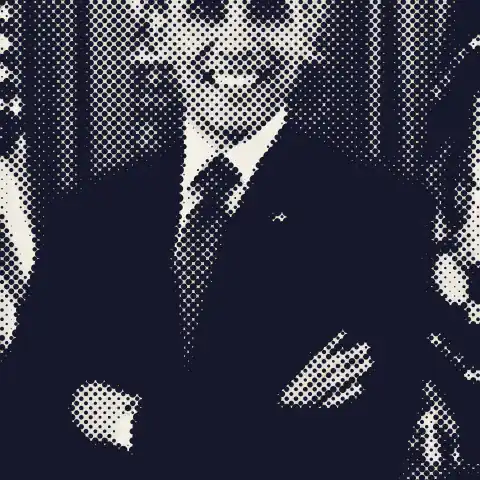
Who is Barack Obama?
Barack Hussein Obama was born in Honolulu, Hawaii, in 1961. After Columbia University and Harvard Law School, where he was the first Black president of the Harvard Law Review, he worked as a community organiser and civil rights lawyer in Chicago and taught constitutional law. He served in the Illinois Senate and, from 2005, the US Senate. He won the presidency in 2008 as the first African American elected to the office and was re-elected in 2012. Since leaving office he has led the Obama Foundation and campaigned for Democratic candidates.
Political views
Signed the $800 billion American Recovery and Reinvestment Act in 2009 to counter the recession.
Source: millercenter.orgSigned the Affordable Care Act in 2010; the share of uninsured adults fell from 18 to 11 percent by the end of his second term.
Source: millercenter.orgSigned the Dodd-Frank financial reform, which required large banks to hold more capital and created the Consumer Financial Protection Bureau.
Source: millercenter.orgProtected immigrants brought to the US as children through DACA; a broader 2014 expansion was blocked in court.
Source: millercenter.orgWithdrew US troops from Iraq by the end of 2011 and ordered the 2011 raid in Pakistan that killed Osama bin Laden.
Source: millercenter.orgReached the 2015 Iran nuclear agreement, joined the Paris climate agreement and restored diplomatic relations with Cuba.
Source: millercenter.orgNegotiated the Trans-Pacific Partnership trade deal, which was never sent to Congress.
Source: millercenter.org
Legacy
Admirers credit Obama with steering the economy out of the Great Recession, extending health insurance to millions, rescuing the auto industry and restoring alliances, and see his election as a milestone in American history. Conservative critics argue that the Affordable Care Act and new regulations expanded federal power and raised costs, and that he overreached with executive action on immigration. Critics on both left and right faulted his expanded drone campaign, the chaos in Libya after the 2011 intervention and his decision not to strike Syria after its use of chemical weapons. Congress blocked his gun control and broader immigration proposals, and his successor reversed several of his executive actions.